High-Energy Laser Drone Defense System: What It Solves and Where It Fits in Counter-Drone
Key Overview
Who this is for: Security integrators, critical-infrastructure facility managers, military and law-enforcement C-UAS teams, and engineers evaluating hard-kill drone defeat options.
Core Issue:Radio-frequency jammers and nets often can’t physically stop hardened drones, autonomous loitering munitions, or targets flying without GPS/rf signal.
Key Conclusions:A high-energy laser drone defense system that integrates detection, tracking and strike into one chassis defeats drones by physically burning out their structure. This system we cover locks on within milliseconds, engages out to 500 meters with a 2 kW beam, and runs in all weather around the clock. For teams that need a definitive, low-collateral hard kill instead of a temporary RF disrupt, laser striking is the most practical C-UAS option in dense or sensitive environments.
Why Counter-Drone Teams Hit a Wall
Drone threats stopped being a niche problem years ago. Today a single small quadcopter can disrupt an airport approach, shut down a refueling depot, or carry a payload into a secured perimeter. The tools most teams reach for first look effective on paper but fall short in the field.
- RF/GPS Jammers — short-term disruption only. They cut the drone’s link but the drone just holds position or flies a pre-programmed route. Anything autonomous keeps going.
- Interception nets — fragile and range-limited. A net catches one drone at muzzle-range, and misses fast or small targets entirely.
- Kinetic weapons — friendly-fire and collateral risk. Bullets and missiles over a populated area are rarely acceptable.
- RF-hardened or autonomous targets — immune to all of the above. Loitering munitions and “low-slow-small” aircraft fly without an external link, so there’s nothing to jam and no line to cut.
The practical requirement is a counter-drone method that physically stops the target, works on autonomous and RF-free drones, and doesn’t dump projectiles into the area. That combination is what a high-energy laser drone defense system is built for.
What This Laser System Actually Solves
The low-altitude security high-energy laser strike and damage system solves the core failure of a jam-and-hope approach: it stops being a “deterrent” and becomes a hard-kill effector. Instead of cutting a radio link and hoping the drone leaves, it concentrates a high-energy beam on the airframe until the structure fails.
What that dissolves, in practical terms:
- The autonomy problem. A drone that needs no operator and no GPS still needs to fly, and its airframe, rotors and optics all burn. Autonomous targets are no longer untouchable.
- The RF-hardened problem. A drone with shielded electronics and encrypted links can still be destroyed physically. The laser doesn’t care how the drone talks.
- The collateral-damage problem. A focused beam leaves no ballistic projectiles and no blast radius. In sensitive or crowded sites, this is often the only legal and safe hard-kill route.
- The latency problem. Detection, tracking and strike run in a single integrated chain, so there’s no hand-off delay between “we see it” and “we hit it.”
The all-weather, 24-hour operation matters more than most spec sheets suggest. Drone incidents cluster at night and in adverse weather precisely because that’s when crews expect reduced coverage. This system is rated to run continuous monitoring and strike duty around the clock.
How the Detection-to-Strike Chain Works
What makes this different from a weapon bolted to a tripod is the integrated engagement loop. Instead of separate sensors feeding a manual operator, the system closes the whole chain automatically. Detection runs on a multi-band fusion chain — radar + wireless/RF sensing + optoelectronic monitoring — so small, low-contrast and infrared targets get confirmed before any strike is authorized.
The Detection-to-Strike Step Sequence
The platform walks an unbroken six-step flow from seeing a target to keeping it under fire. No operator hand-off, no added latency between stages.
- Monitor — real-time surveillance of the low-altitude airspace around the protected site using radar, wireless and optoelectronic channels.
- Detect — algorithmic and infrared target detection picks up small and low-contrast targets, and confirms what the object actually is.
- Search & discover — the system sweeps the airspace, finds the target, and brings it into the field of view.
- Capture & lock — a selection box frames the target and locks on, keeping it centered even as the drone maneuvers.
- Track — the locked target stays inside the selection frame for the whole engagement.
- Strike — delivers the laser beam until the target is damaged and disabled.
Across that chain the tracked target stays inside the selection frame for the entire engagement, which is what lets a ~2 kW beam stay concentrated on one spot long enough to do structural damage.
Realized Function Highlights
Beyond the strike itself, the system bundles the supporting capabilities an operator actually needs in the field. These are the functions built into the platform:
| Function | What It Does | Real-World Value |
|---|---|---|
| Alarm & Warning | The monitoring center raises an alert the moment a target is locked. | Crews get an early heads-up instead of discovering an incursion by sight. |
| Wireless Interference & Expulsion | Transmits directional radio waves that break the pilot-to-drone link. | Hardens the perimeter and disables linked, non-autonomous drones without touching other targets. |
| Laser Illumination | At ~2,000 m, lights the target to sharpen the video picture. | Keeps the image clean for identification at long range and at night. |
| Laser Expulsion | At ~1,500 m, emits stroboscopic laser to drive the target away. | Resolves benign intrusions with a warning instead of a kill. |
| Laser Blinding | At ~1,200 m, irradiates the target’s camera so it can’t record imagery. | Neutralizes observation drones that are collecting video but not yet attacking. |
| Laser Damage | Near ~200 m, operator-enabled strong laser burns out the target structure. | Provides the definitive hard kill when a target won’t leave and can’t be allowed through. |
| Storage & Playback | Records and replays every monitoring, tracking and damage event. | Supplies the evidence trail and post-incident review that security and legal teams need. |
| Multi-Dimensional Synergy | Fuses radar, wireless and optoelectronic data with multi-band IR plus visible light. | Confirms and classifies targets that a single sensor would miss or misread. |
| All-Weather 24H | Runs continuous monitoring, warning and damage across 24 hours in complex weather. | Closes the night and adverse-weather gaps where most drone incidents happen. |
Technical Specs at a Glance
Beam and Strike Performance
These four figures decide whether a system can actually kill the drones at a given site. They set the reach and the power budget.
| Parameter | Value |
|---|---|
| Wavelength | 1080 nm |
| Laser Power | ≤ 2 kW |
| Effective Strike Range | 50 m – 500 m |
| Cooling Method | Air-cooled or water-cooled |
Motion and Scanning
Track performance depends on how fast the gimbal can move the beam, especially against small, agile targets.
| Parameter | Value |
|---|---|
| Horizontal Rotation | Pan rotation |
| Pitch Rotation | Elevation rotation |
| Horizontal Speed | 0.01°/s – 45°/s |
| Pitch Speed | 0.01°/s – 45°/s |
| Acceleration | 53°/s² (50°/s² class) |
Environmental and Physical Footprint
Physical and environmental limits decide where the unit can be mounted and how it survives outdoor duty.
| Parameter | Value |
|---|---|
| Operating Temperature | −25 °C to +70 °C |
| Cold-Start Storage | −40 °C to +60 °C |
| Size | W 614 mm × D 383 mm × H 707 mm |
| Weight | 63 kg |
Engagement and Reliability
Response speed and reliability numbers drive how quickly and how dependably the system defeats incoming targets.
| Parameter | Value |
|---|---|
| Target Recognition Response Time | ≤ 2 minutes |
| Simultaneous Target Recognition | Multiple objects tracked at once |
| System Boot Time | < 10 minutes |
| System Retrieval Time | Fast teardown and redeploy |
| MTBF | 5,840 hours |
| MTTR | Field-serviceable for fast repair |
For an integrator the practical take-away is the balance: a 500 m engagement range plus rapid lock-on in a 63 kg package that boots in about two minutes. That’s a system that can be standing and lethal well before a slow-moving low-altitude threat reaches the perimeter.
Laser Strike vs. Jammers, Nets, and Kinetic Weapons
No single counter-drone method is the answer everywhere, so it helps to compare them honestly on the dimensions that matter: effectiveness against autonomous targets, collateral risk, and cost.
| Method | Defeats Autonomous / RF-Hardened Drones? | Collateral Risk | First-Cost | Best Fit |
|---|---|---|---|---|
| RF/GPS Jammer | No — link-cut only | Low | Low | Low-budget deterrence |
| Interception Net | No — single, close target | Low | Low | Small perimeters |
| Kinetic (gun/missile) | Yes | High — projectiles/débris | High | Remote military areas |
| High-Energy Laser Strike | Yes | Low — focused beam | High | Sensitive, populated, critical sites |
Read this honestly: the laser is not the cheapest counter-drone option, and a jammer is the right answer on a tight budget against a simple linking drone. But when the requirement is a definitive hard kill with no ballistic footprint in a site you can’t afford to shred — a fuel depot, an airport, a stadium — the laser clears the field almost on its own.
Where It Gets Deployed
Target Coverage
Built first and foremost for drone countering, the system handles the full range of low-altitude aerial threats — plus the benign airborne objects that show up in the same airspace. It runs all-weather, around the clock, on every target class below:
- Drones and low-slow-small (LSS) aircraft — the primary mission: consumer and commercial UAVs, reconnaissance drones and delivery drones that intrude on restricted airspace.
- Loitering munitions — autonomous one-way-attack UAVs that an RF jammer cannot stop.
- Light and ultralight aircraft — including light and ultralight helicopters, gliders and powered delta wings.
- Aerospace models and light fixed-wing — unauthorized model aircraft and light planes over protected zones.
- Airborne objects — paragliders, powered paragliders, hot air balloons, airships, unmanned free balloons, tethered balloons, sky lanterns and large kites.
Because the same platform that stops drones is also a focused, low-collateral beam, teams additionally use it for deicing, high-altitude foreign-object removal, bird repelling and tree felling — but those are secondary duties. The core job remains stopping rogue unmanned aircraft.
Who Relies on It
Deployments split into three profile groups, all anchored on the same drone-countering mission:
| User Profile | Drone Countering Use Cases |
|---|---|
| Government & Public Safety | Countering terrorist drone attacks and maintaining public order; defending military oil depots, barracks and border lines; protecting controlled areas with confidential material and researchers; and keeping airports and ports safe for arrivals and departures. |
| Commercial Enterprises | Stopping surveillance drones that threaten trade secrets and IP at high-tech companies, and preventing industrial espionage at large manufacturing sites. |
| Individual / Event Operators | Protecting private property from drone intrusion, and keeping concerts and sports events free from drone interference. |
The strike system is built for continuous coverage of assets that can’t shut down and can’t risk friendly fire. Typical deployment classes:
- Drones and small UAVs — the daily headline threat over perimeters and public venues.
- Air-drifting objects and balloons — stray payloads and wind-carried intrusions that need to be brought down safely.
- Loitering munitions — autonomous “one-way attack” UAVs that a jammer cannot stop.
- Light aircraft and aerospace models — unauthorized manned and model-aircraft incursions over protected zones.
- Paragliders, hot air balloons, and airships — slow, low-altitude air threats over event and airfield airspace.
Deployment Locations That Rely on It
These are the site classes where a rogue drone is an operational or safety risk, and where a hard-kill effector with low collateral impact is allowed. The following are handled for each location, with an image placeholder (replace with a real photo before publishing):
| Location | Why It Needs a Laser Hard-Kill |
|---|---|
| Military Forces | Base perimeter defense against reconnaissance drones and loitering munitions. |
| Police / Public Security | Maintaining order over events and sensitive operations without ballistic risk. |
| Airports | Preventing drone incursions that can close runways and endanger flight paths. |
| Oilfields | Protecting energy infrastructure from deliberate or accidental drone strikes. |
| Power / Substations | Safeguarding high-voltage plant from air-delivered threats. |
| Nuclear Facilities | Controlled, low-collateral defeat over ultra-high-security zones. |
| Prisons | Enforcing airspace control to stop drone-delivered contraband. |
| Government Buildings | Continuous 24-hour protection of critical official sites. |
| Warehouses / Large Gatherings | Low-damage neutralization over crowds and stored assets. |
Where You See It in Practice
These deployment photos were copied from the product page into the blog image folder. Upload them to your WordPress media library and replace the src URLs with the uploaded paths.
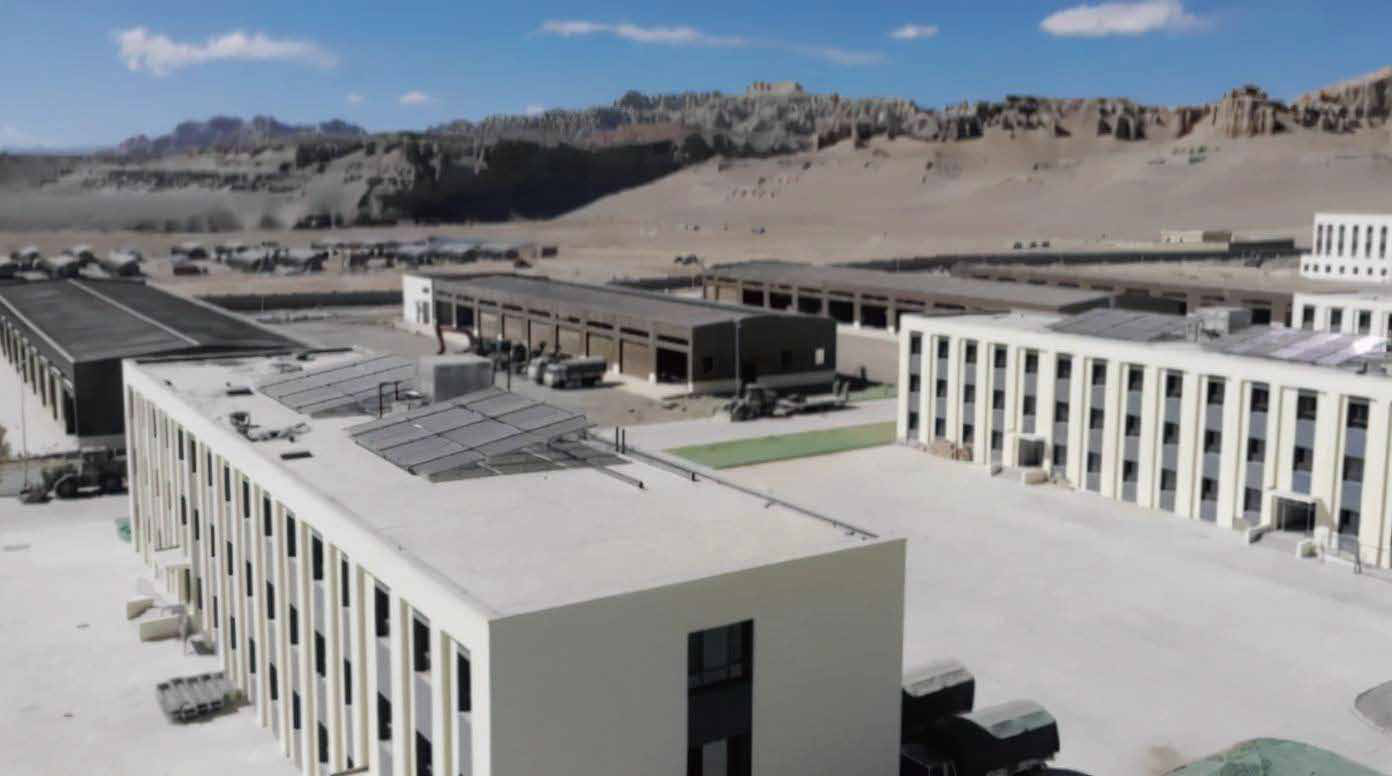


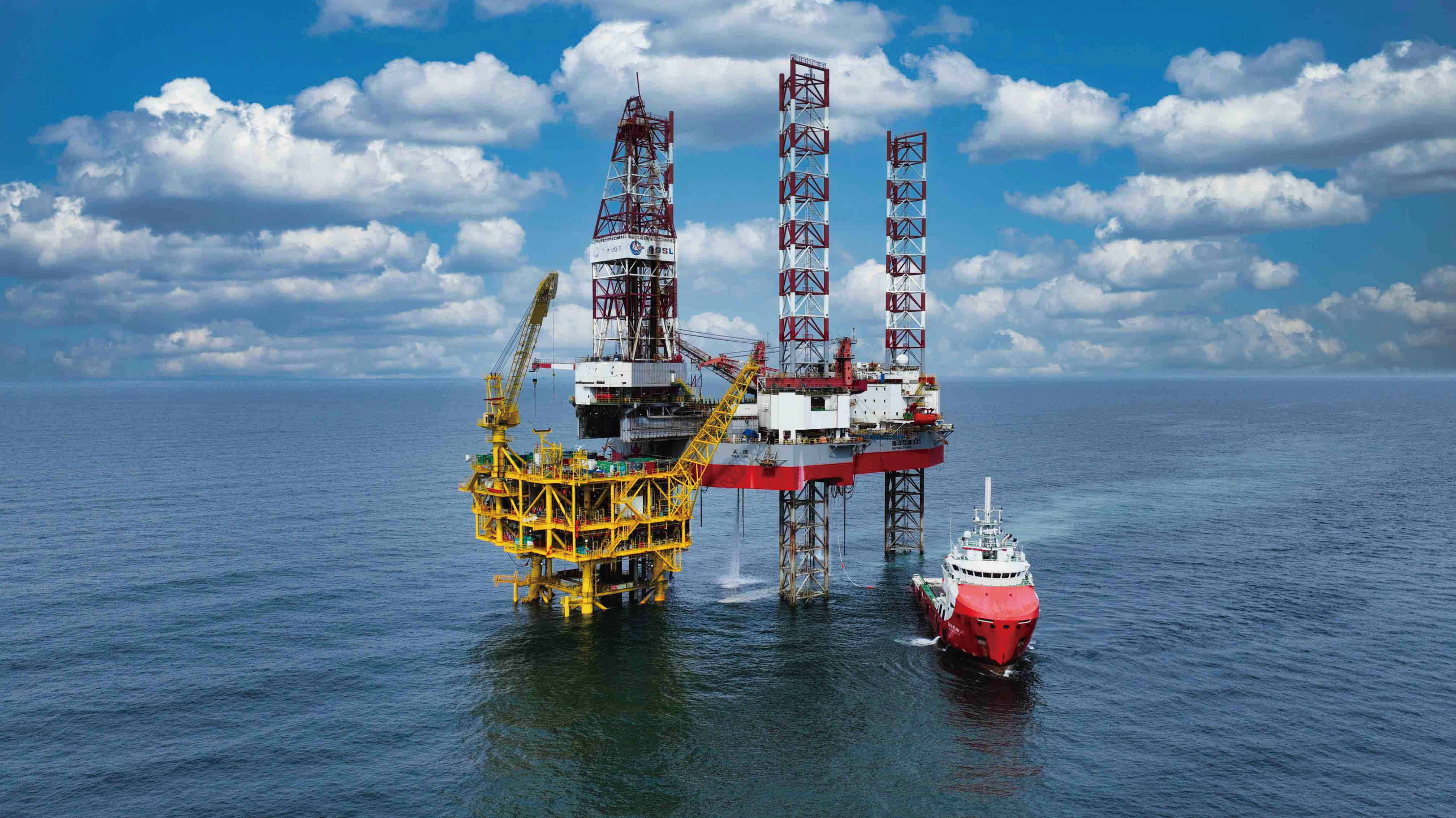
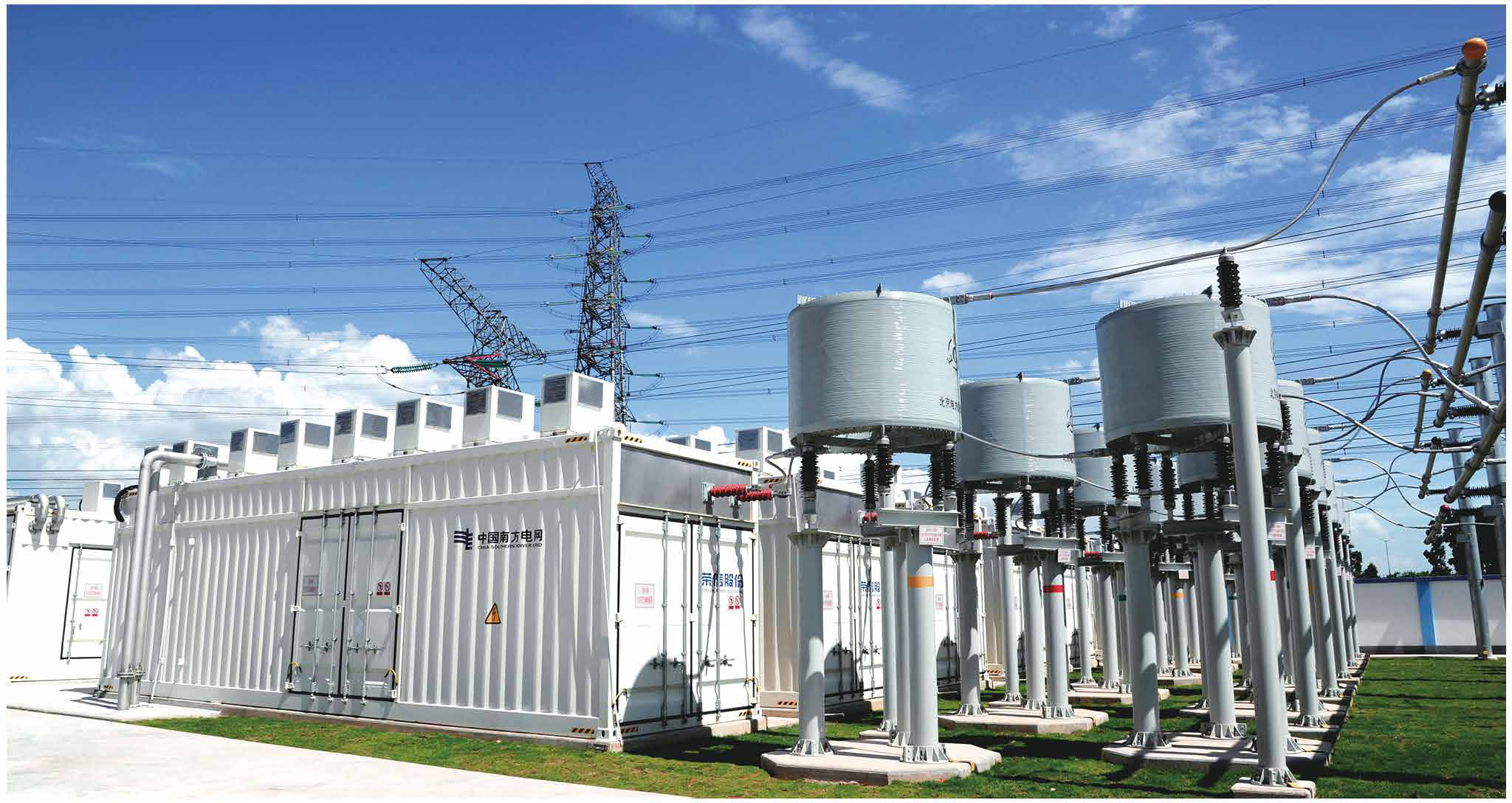
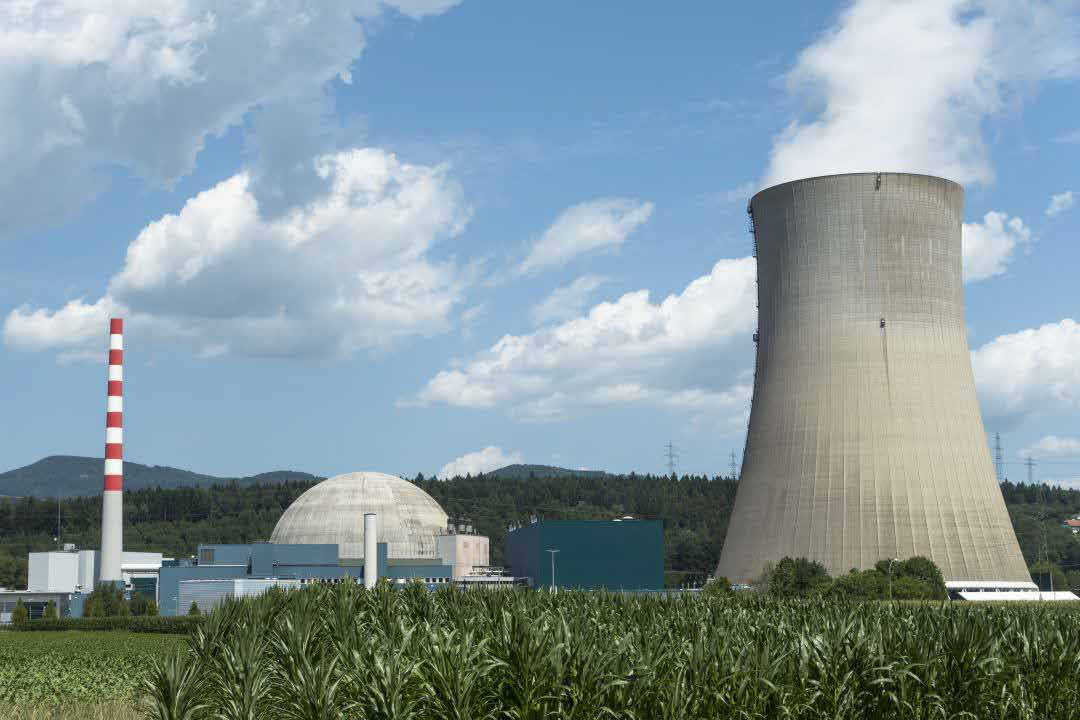
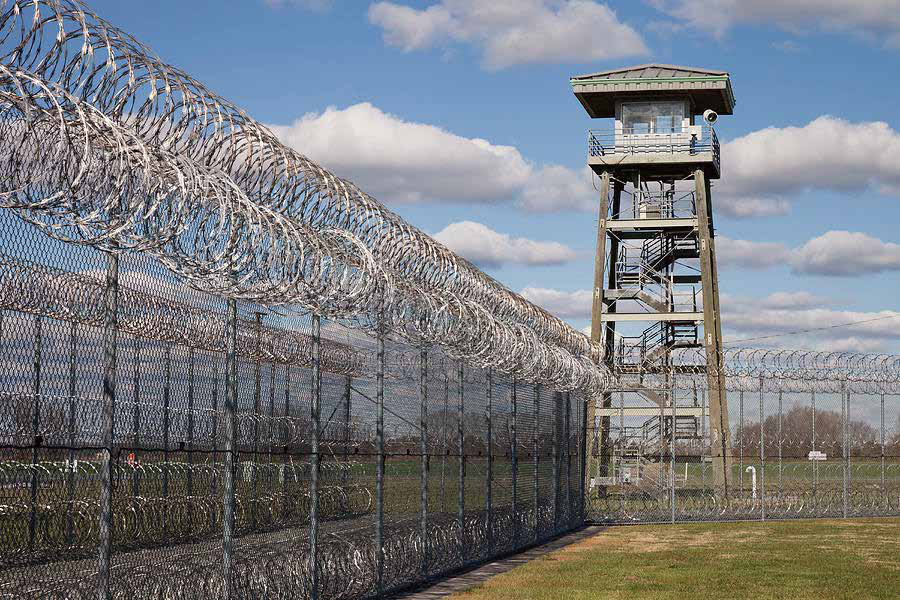
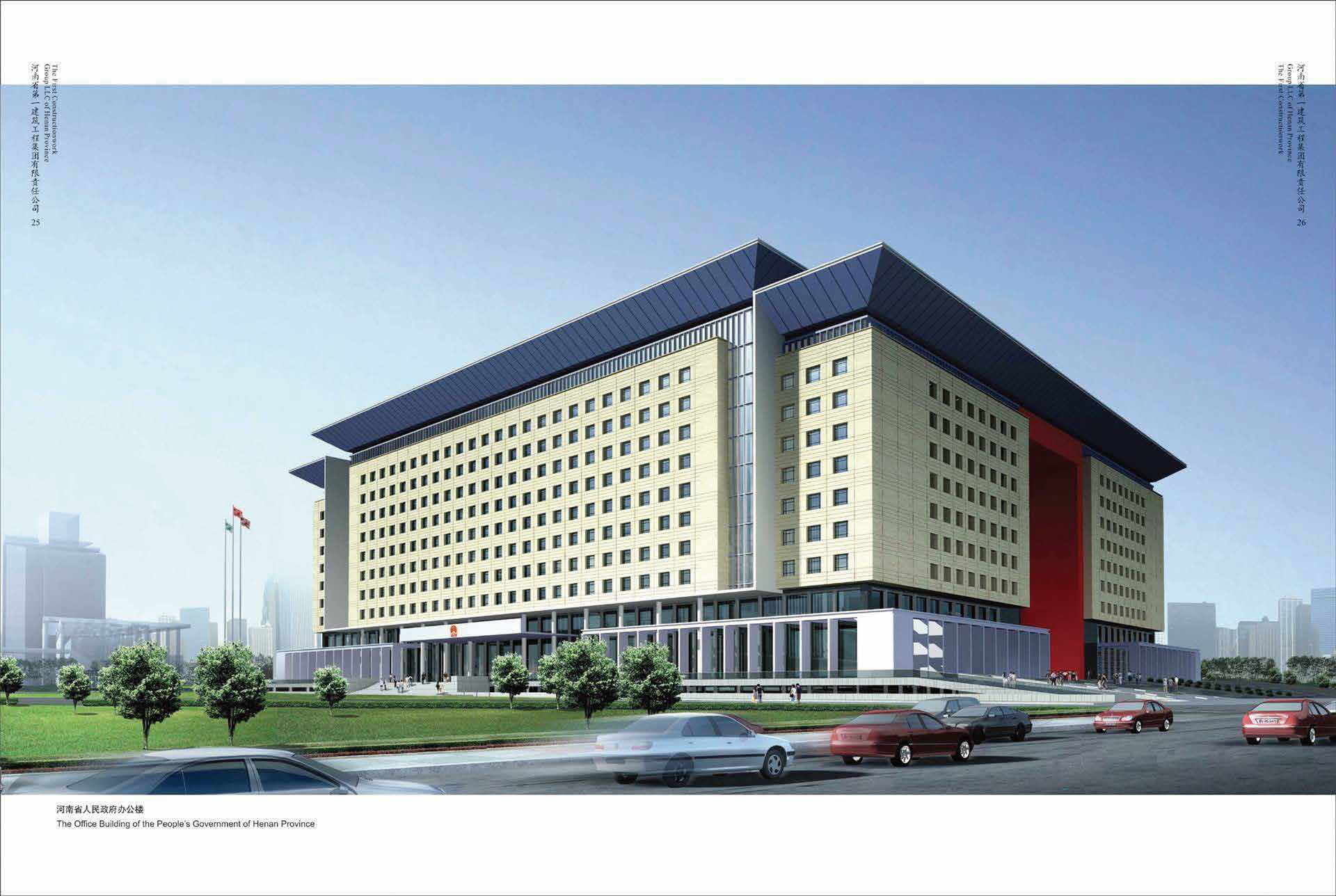
Because it runs all-weather, 24-hour coverage and handles both detection and strike in one chain, it slots into existing security operations as a closing effector rather than a whole new detection network.
Frequently Asked Questions
Q: Can a laser drone defense system stop a drone that has no RF link or GPS?
Yes. The laser works on physical destruction of the airframe rather than signal disruption. An autonomous or pre-programmed drone that ignores jamming still has rotors, optics and structure that a high-energy beam can burn through. This is the main advantage over RF-only methods.
Q: How far can this system actually engage a target?
The effective strike range is 50 to 500 meters. Beyond that the beam focus degrades and dwell time is too short to guarantee structural damage on most targets.
Q: What are the main technical specs I should compare?
Focus on the 1080 nm wavelength, ≤3 kW laser power, the 50–500 m engagement range, and the pan/tilt speeds of 0.01°/s to 45°/s. Together these define reach, kill power and the ability to track fast, small drones.
References
- Manufacturer product data — Low-Altitude Security High-Energy Laser Strike and Damage System (supplied technical datasheet).
- Department of Defense Counter-Unmanned Aircraft Systems (C-UAS) Strategy — classification of detection, disrupt and defeat capabilities.
- U.S. DoD & FAA guidance on low-altitude airspace and drone threat mitigation over sensitive infrastructure.